Zero-Emission Multiple Unit (ZEMU)
Heading2
Heading3
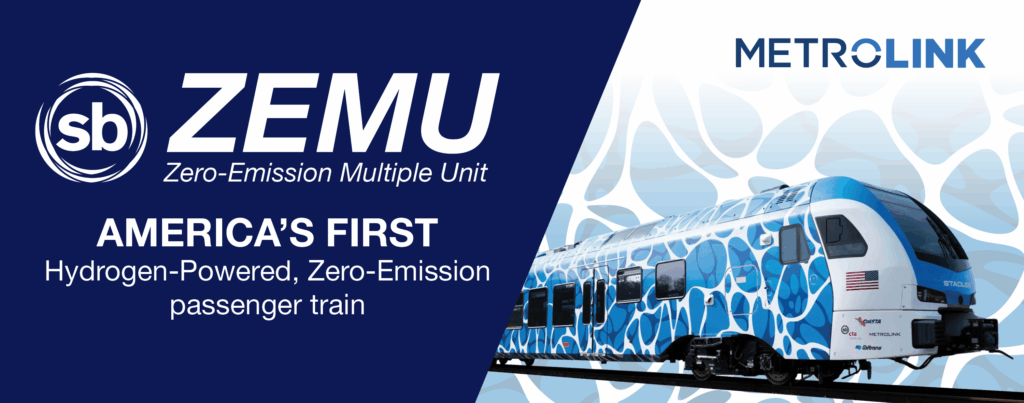
SBCTA spearheaded an initiative aimed at creating a greener passenger rail service by piloting zero-emission rail technology for the new Arrow service between San Bernardino and Redlands. A contract signed in 2019 between Stadler US and SBCTA established the groundwork for the manufacturing of the first two-car hydrogen-powered passenger train in the United States. This development marked a significant step in SBCTA’s commitment to a sustainable future for the county, providing zero-emission transportation options and reducing reliance on fossil fuels to protect the health of its 2.1 million residents and visitors.
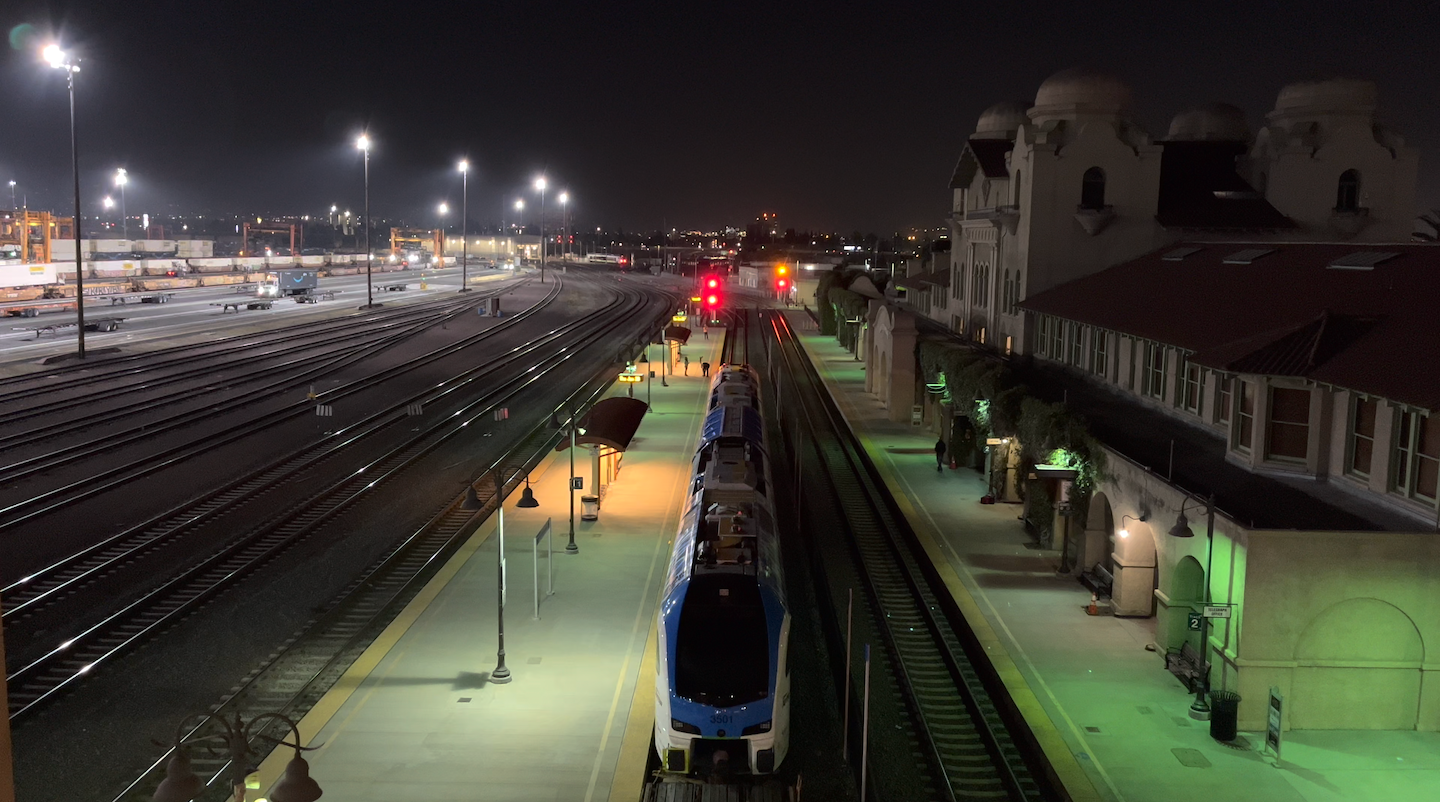
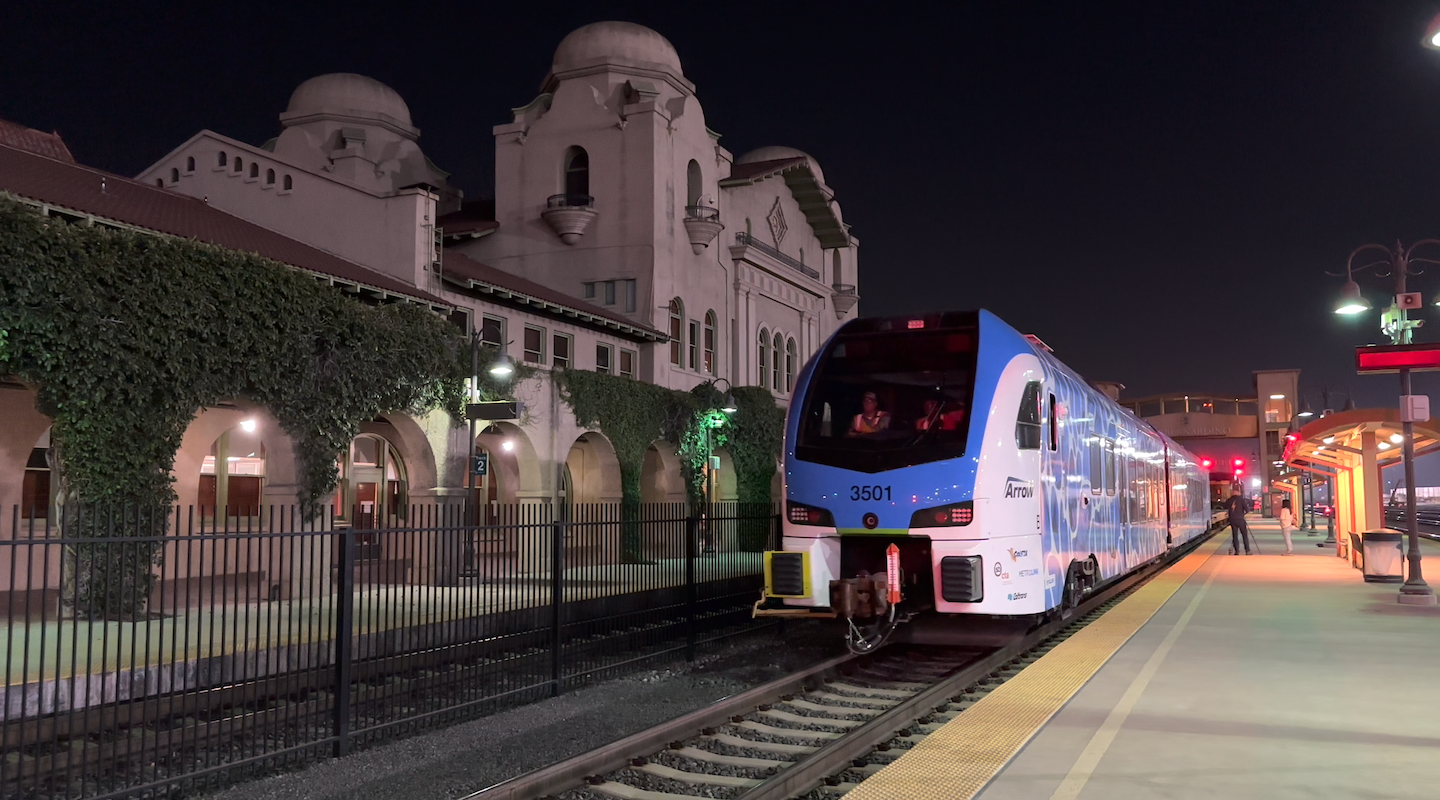
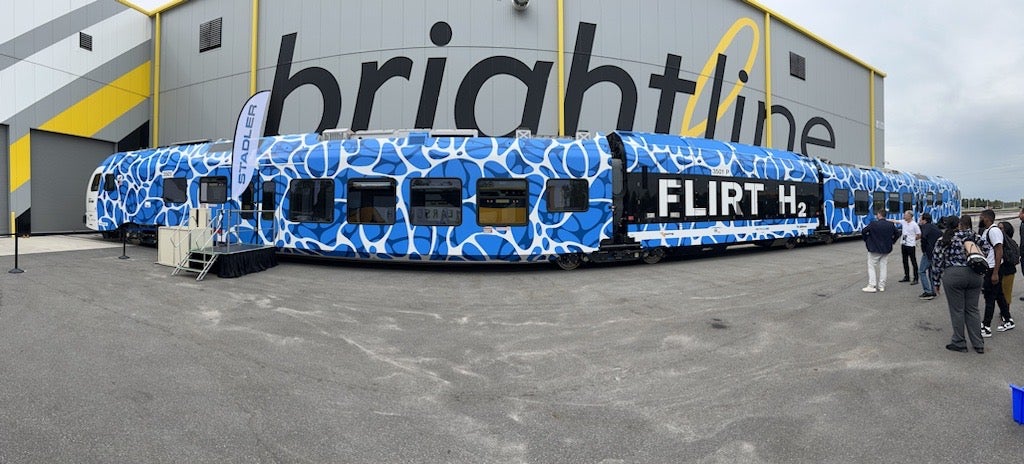
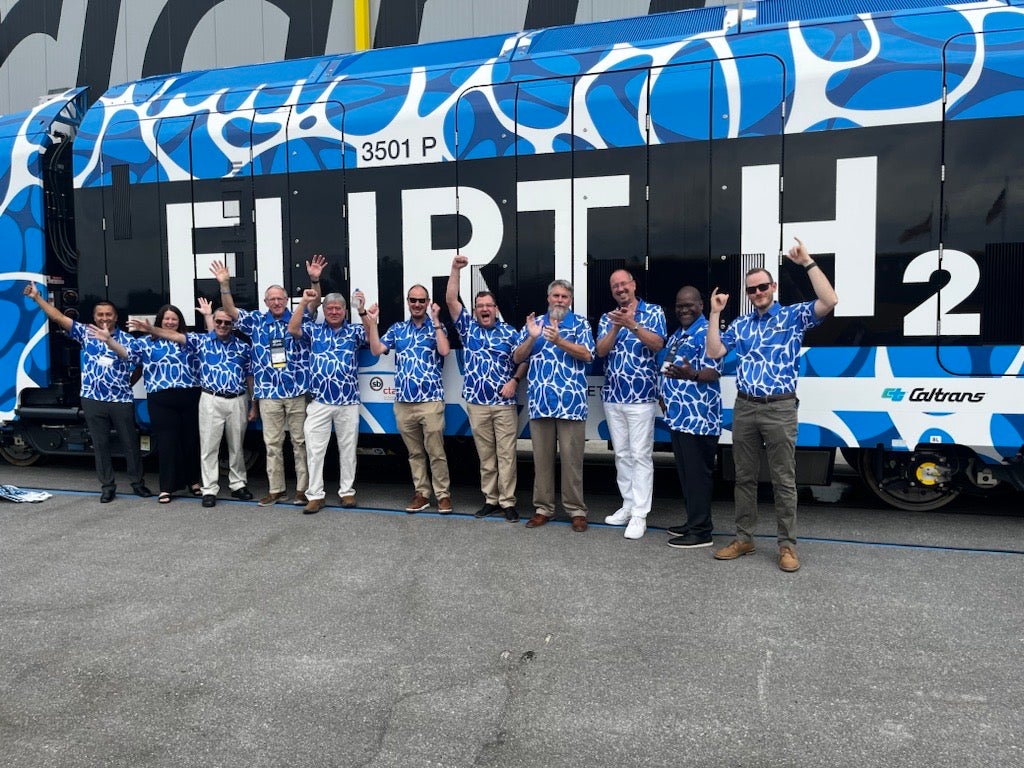
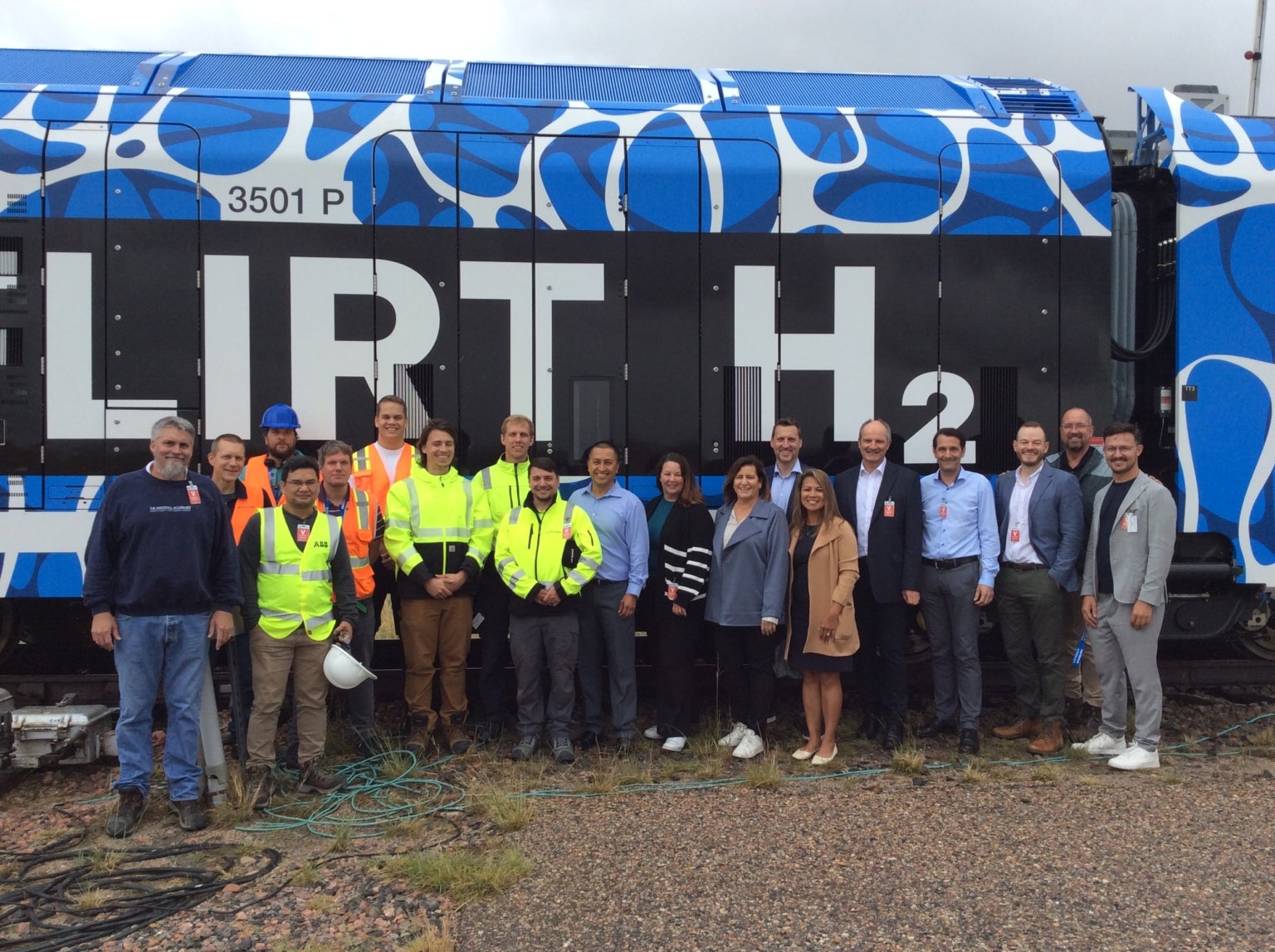
On June 20, 2024, North America’s first federally compliant self-powered, zero-emission passenger train arrived in San Bernardino County. The train’s arrival at the San Bernardino Depot Train Station represented a major milestone in bringing this concept to life. Known as the Zero-Emission Multiple Unit (ZEMU), the passenger train is powered by a combination of hydrogen and battery technology, which both propels the train and powers its onboard electrical systems. The propulsion system emits only water vapor, making it a clean alternative for public transit. The ZEMU features a distinctive blue and white water-vapor design that wraps around its two passenger cars and the central power pack, which houses the hydrogen and battery propulsion system.
On September 13, 2025, history was made as San Bernardino County welcomed the ZEMU into regular service. The groundbreaking inaugural trip departed from the Metrolink San Bernardino Downtown Station at 10:32 a.m. on a Saturday, heading eastbound. The ZEMU currently operates full commuter service according to the Arrow schedule on the Metrolink San Bernardino Line.
The story of ZEMU is unique. Read about the history of rail in San Bernardino County, SBCTA’s commitment to cleaner passenger rail, and ZEMU’s journey from research and development to testing and arrival in San Bernardino. Click here for the story map.
Click here to read our latest press release about ZEMU.
Project Webinar
SBCTA hosted a webinar on Wednesday, February 7, 2024 to provide information about the Zero-Emission Multiple Unit and Arrow Maintenance Facility.
To watch the webinar, click the image below.
Fact Sheets
Arrow Maintenance Facility Hydrogen Fuel Upgrade Project – Draft Environmental Impact Report Documents
 Arrow Maintenance Facility Hydrogen Fuel Upgrade Project – Notice of Availability (English)
Arrow Maintenance Facility Hydrogen Fuel Upgrade Project – Notice of Availability (Spanish)
Arrow Maintenance Facility Hydrogen Fuel Upgrade Project – Draft Environmental Impact Report
Appendix A_NOP-IS
Appendix A_Revised Environmental Assessment - Final EIR for the Downtown San Bernardino Passenger Rail Project
Appendix B_Air Quality and Greenhouse Gases Technical Memorandum
Appendix C_Cultural Resources Technical Memorandum
Appendix D_Collateral Risk of Upset Assessment
Arrow Maintenance Facility Hydrogen Fuel Upgrade Project – Notice of Availability (English)
Arrow Maintenance Facility Hydrogen Fuel Upgrade Project – Notice of Availability (Spanish)
Arrow Maintenance Facility Hydrogen Fuel Upgrade Project – Draft Environmental Impact Report
Appendix A_NOP-IS
Appendix A_Revised Environmental Assessment - Final EIR for the Downtown San Bernardino Passenger Rail Project
Appendix B_Air Quality and Greenhouse Gases Technical Memorandum
Appendix C_Cultural Resources Technical Memorandum
Appendix D_Collateral Risk of Upset Assessment
Arrow Maintenance Facility Hydrogen Fuel Upgrade Project – Final Environmental Impact Report
Arrow Maintenance Facility Hydrogen Fuel Upgrade Project – Final Environmental Impact Report
Arrow Maintenance Facility Hydrogen Fuel Upgrade Project – Resolution - Final Environmental Impact Report
Project Reports
Arrow Maintenance Facility Hydrogen Fuel Upgrade Project - Initial Study
Arrow Maintenance Facility Hydrogen Fuel Upgrade Project - Initial Study/Appendix A
Arrow Maintenance Facility Hydrogen Fuel Upgrade Project - Notice of Preparation
Arrow Maintenance Facility Hydrogen Fuel Upgrade Project - Notice of Preparation (Spanish)
Arrow Maintenance Facility Hydrogen Fuel Upgrade Project Community Notice
Planning Documents
Press Releases
 Green-Tech for the US: Stadler Signs First Ever Contract for Hydrogen-Powered Train with SBCTA (11/13/19)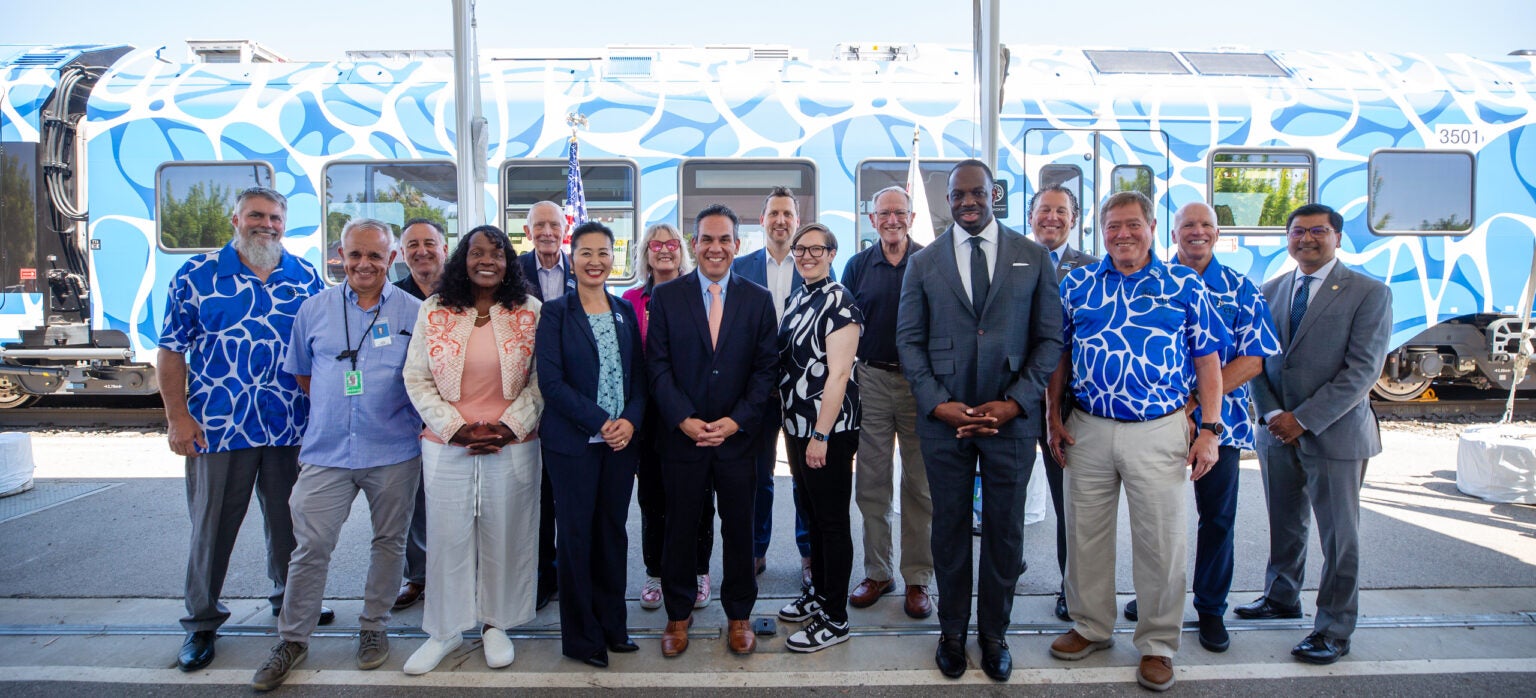
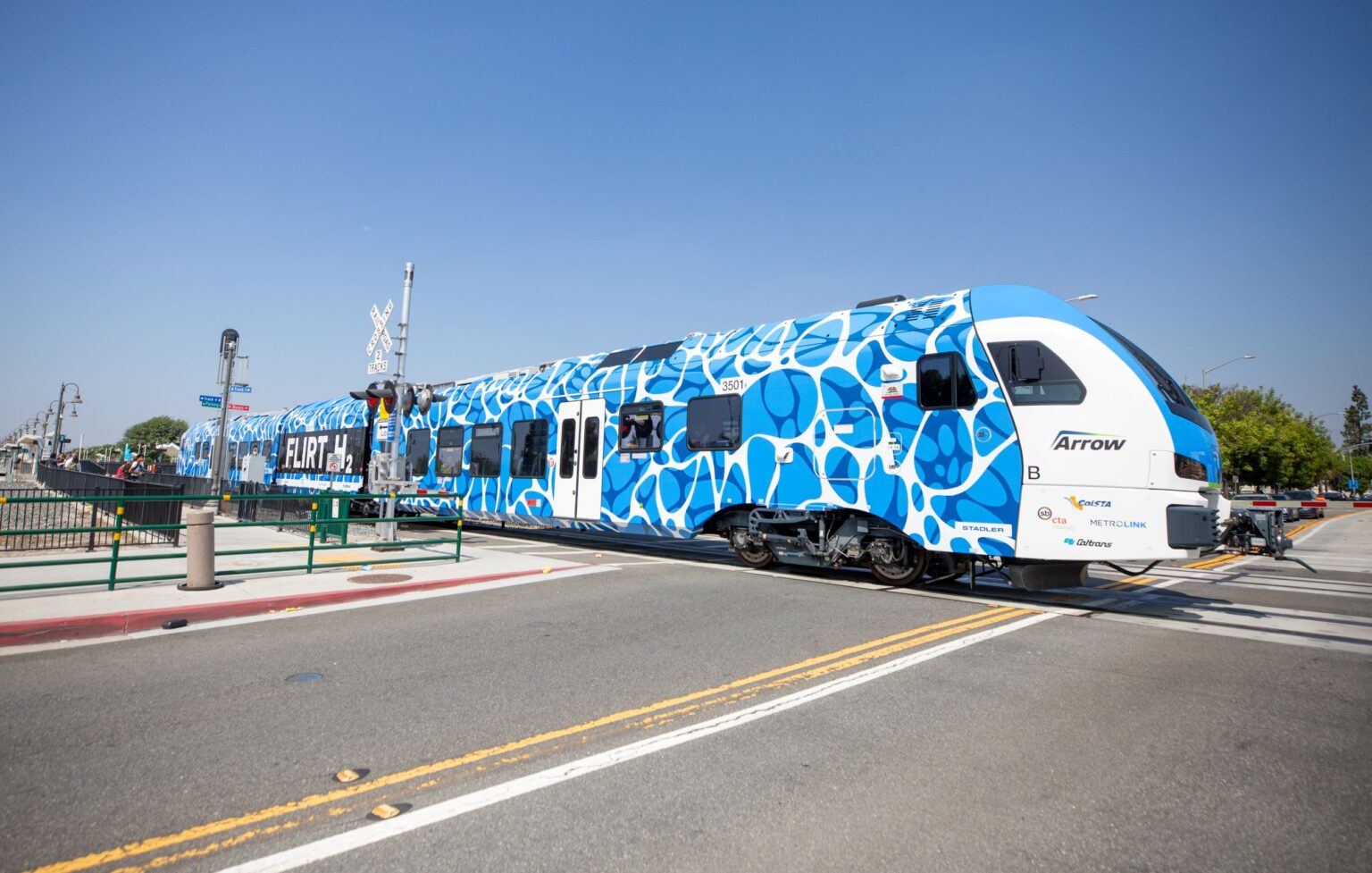
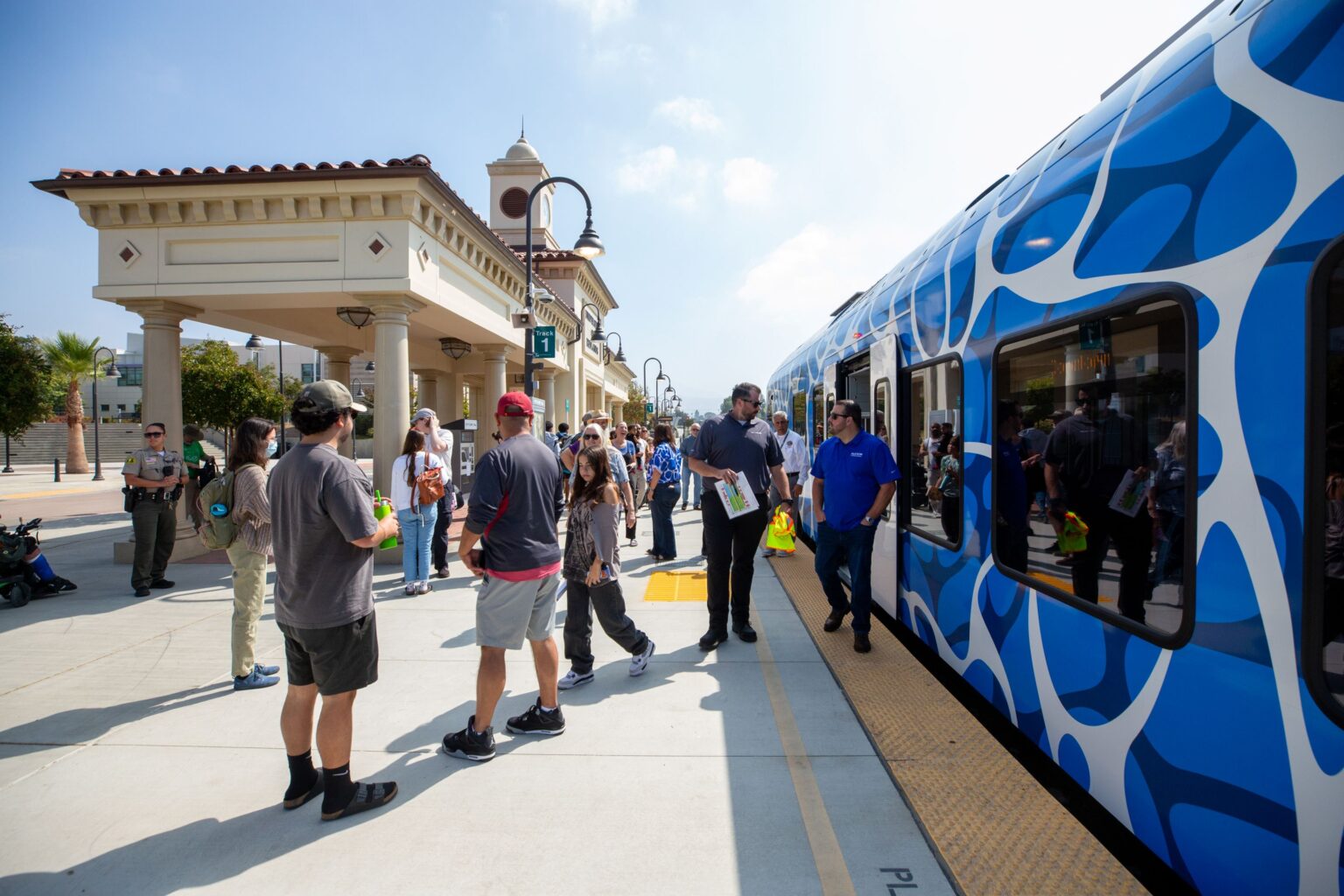
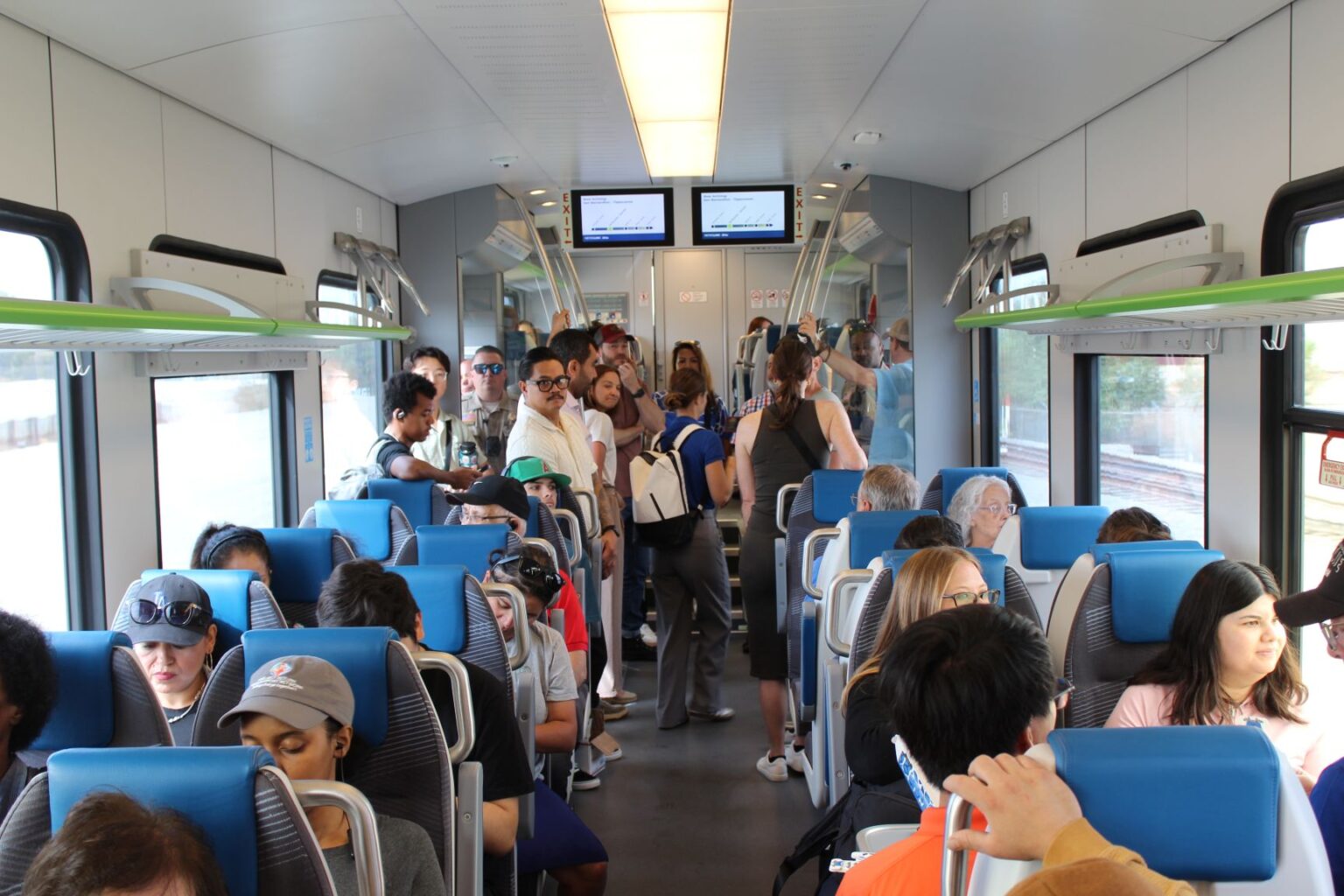
SBCTA is committed to being a part of the solution to reduce greenhouse gas emissions and improve air quality.
As we all learn about the urgent need to combat climate change, most importantly by reducing the largest contributor – fossil fuels. ZEMU has proven to be a viable and more environmentally friendly alternative to traditional transportation methods.
Air Quality Benefits
- When hydrogen is used in a fuel cell to produce electricity, the only byproduct is water vapor, making it a clean alternative to traditional diesel-powered trains. This significantly reduces the carbon footprint of the transportation system and helps combat air pollution.
- Hydrogen fuel cell trains like ZEMU provide clean air, meaning it will not emit harmful pollutants such as nitrogen oxides and particulate matter, which are common emissions from diesel engines, or greenhouse gases such as carbon dioxide.
- Communities along the train route will experience improved air quality, leading to better respiratory health for residents and a cleaner living environment.
Reduced Noise Pollution
- Hydrogen trains tend to be quieter than traditional diesel trains, which can be especially beneficial for communities located near the train route.
Increased Energy Efficiency
- Hydrogen as a rail fuel supports zero carbon goals as a clean energy source and offers a more powerful and efficient energy output than fossil fuels.
- Compared to internal combustion engines in diesel trains, hydrogen fuel cells can convert a higher percentage of the energy content in hydrogen into usable power for propulsion. This efficiency can result in reduced energy consumption and reduced operational costs for the train system.
2025
News Articles
- 1st hydrogen-powered passenger train in US arrives in San Bernardino- Victorville Daily Press
- ZEMU, first hydrogen-powered passenger train in US, now in service in San Bernardino – ABC7 Los Angeles
- San Bernardino Launches North America’s 1st Hydrogen Train
- Metrolink launches 1st zero-emission train on Arrow line in San Bernardino – San Bernardino Sun
- First Hydrogen-Powered ZEMU Train enters service | News | fontanaheraldnews.com
- Zero emissions train rolls into the Inland Empire – CBS Los Angeles
2024
News Articles
- The Future of Transportation and Logistics is Here – SB County
- Zero-Emission Passenger Train Arrives in San Bernardino County – Progressive Railroading
- Hydrogen Trainset Arrives in San Bernardino, California – Hydrogen Central
- Hydrogen Train, San Bernardino – Hydrogen Fuel News
- Hydrogen Trainset Arrives in San Bernardino, California – Trains.com
- Hydrogen Powered Train to Run Between San Bernardino and Redlands – H2 View
- San Bernardino North America’s Zero-Emission Passenger Train – Global Railway Review
- Zero-Emission Train Arrives to Serve Redlands to San Bernardino Line – Daily Bulletin
- The First Zero-Emission Train in the U.S. Has Arrived in San Bernardino – LAist
- North America’s first zero-emission passenger train comes to San Bernardino County – KCAL News
- First-of-its-kind zero emissions train rolls into San Bernardino – LA Times
- State and Federal Leaders Join SBCTA to Celebrate ZEMU – Patch, Redlands-Loma Linda
- Meet ZEMU, San Bernardino County Transit Authority’s zero-emission passenger train – Victorville Daily Press
- SBCTA Unveils Zero-Emission Passenger Train, Leading Innovation in Clean Transit – Victor Valley News Group
- California’s new $20 million train is unlike anything else in the US – SFGate
- New Hydrogen Powered Train Introduced to California in Effort to Improve Region’s Air Quality – Engineer Live
- North America’s first hydrogen-powered trainset enters Phase II of testing in California – Trains.com
- Zero-emission train begins testing between San Bernardino and Redlands – San Bernardino Sun
- Goodbye to Tesla’s Hyperloop: California has unveiled the train of the future – Riazor
- 3 Ways Trains are Becoming Greener Than Ever – OilPrice.com
SBCTA Blog Posts
- SBCTA Celebrates Clean Air Day
- State and Federal Leaders Join SBCTA, Stadler and Metrolink to Celebrate ZEMU’s Innovative Technology
- SBCTA Attends On the Move Event
- How SBCTA is Going Green this Earth Day
2023
News Articles
- First North American hydrogen fuel passenger trains coming to California – Hydrogen Fuel News
- Highway Updates: First Zero-emission hydrogen intercity passenger trains coming to San Bernardino County – My Valley News
- New H2 Train For SBCTA Shown in the US at APTA Expo – Railway USA
- Arriving soon in California: First intercity zero-emission, hydrogen passenger trains in North America – Imperial Valley Press
- Stadler hydrogen trainset makes debut in Florida – Trains.com
- First U.S Hydrogen Powered Passenger Trainset Testing at TTC – Railway Age
- Stadler showcases new Hydrogen train for California rail line – Railway Technology
- SBCTA and Stadler unveil first hydrogen-powered passenger train at APTA Expo 2023 – Mass Transit Magazine
- Transit Briefs: CTA, Minn. Met Council, San Diego MTS, SBCTA, WMATA – Railway Age
- Transit Briefs: Amtrak/NC By Train, NYMTA, VIA Rail, The City of Calgary, SBCTA/LA Metro – Railway Age
- CalSTA Awards $2.5B for Rail Transit Projects –Railway Age
- San Bernardino County Transportation Authority celebrates 50 years – Victorville Daily Press
SBCTA Blog Posts
- SBCTA, Stadler Unveil First-of-its-Kind Hydrogen Powered Passenger Train
- The ZEMU has arrived in the United States!
- The Journey toward Self-Powered, Zero-Emission, Compliant Trains
- SBCTA/LA Metro to Study Expanding Rail Frequency from Redlands to LA Union Station
- Achieving a Greener Transportation Future
- ZEMU Making United States Debut
2022
News Articles
- California is not just dreaming of hydrogen trains – Railway Gazette
- California orders 29 hydrogen trains for inter-city services – Rail Journal
SBCTA Blog Posts
2021
SBCTA Blog Posts
- S. Representative Pete Aguilar and U.S. House Subcommittee on Transportation, Housing and Urban Development Chair David Price tour Redlands Passenger Rail project/Arrow and ESRI Train Station
- All Aboard Arrow’s Maintenance Facility
- Arrow Maintenance Facility (AMF) Hydrogen Fuel Upgrade Project Draft Environmental Document Now Available for Public Comment
- Arrow’s First DMU Arrives in San Bernardino
2020
SBCTA Blog Posts
2019
News Articles
- San Bernardino County agency orders its first zero-emission train for Redlands rail service – Redlands Daily Facts
- Hydrogen-powered train coming to Redlands – Redlands Community News
- Stadler Wins Flirt H2 Hydrogen Train Contract in the US – Railway News
SBCTA Blog Posts
- Redlands Passenger Rail Groundbreaking Event
- From DMU to ZEMU
- Maintenance Facility Construction Contract for Future Arrow Service Trains
- Construction Contract Awarded for Redlands Passenger Rail Project
2018
News Article